Why a scavenger hunt fits a reunion
A reunion easily splits into smaller groups of people who already know each other. A scavenger hunt doesn't force anything, but a well-mixed team split gets people who don't talk daily out on the street together.
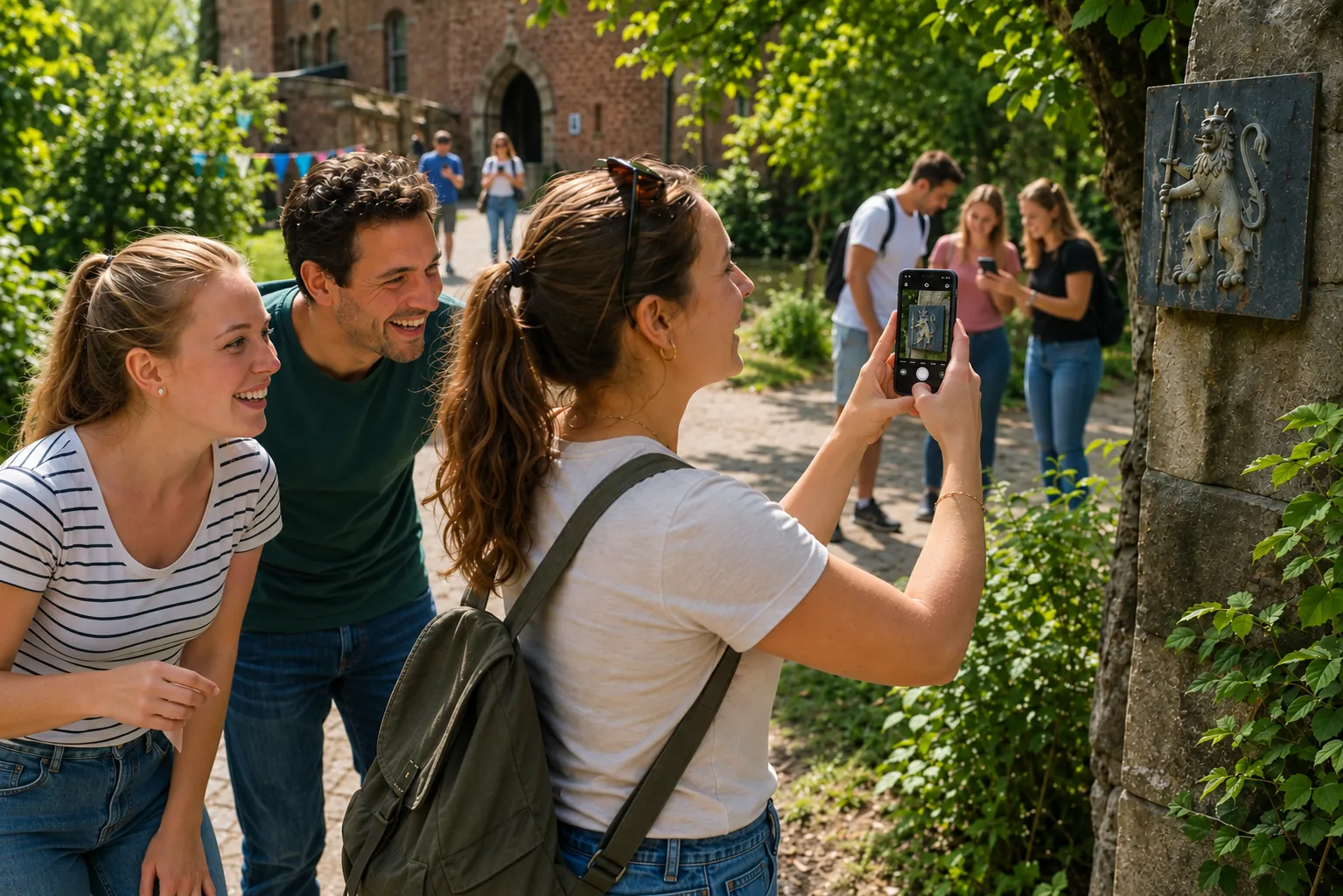
A reunion is usually a bigger group than an ordinary family day, with cousins and extended family who haven't seen each other in years, or never met at all. A scavenger hunt is a good way to get that group moving without anyone having to give a speech.
Here's how to set one up around a reunion.
A reunion easily splits into smaller groups of people who already know each other. A scavenger hunt doesn't force anything, but a well-mixed team split gets people who don't talk daily out on the street together.
Place the points on the map around the reunion venue. Those points mark the edge of the play area, not the assignments themselves: every assignment should be doable anywhere within that area.
An assignment that asks for two signatures from people outside your own team, or a photo with a family member you haven't met yet, gets that introduction going without it feeling forced.
You can put the scavenger hunt together weeks or months before the reunion. Count on 30 to 60 minutes for writing the assignments, and the rest of the prep is already done.
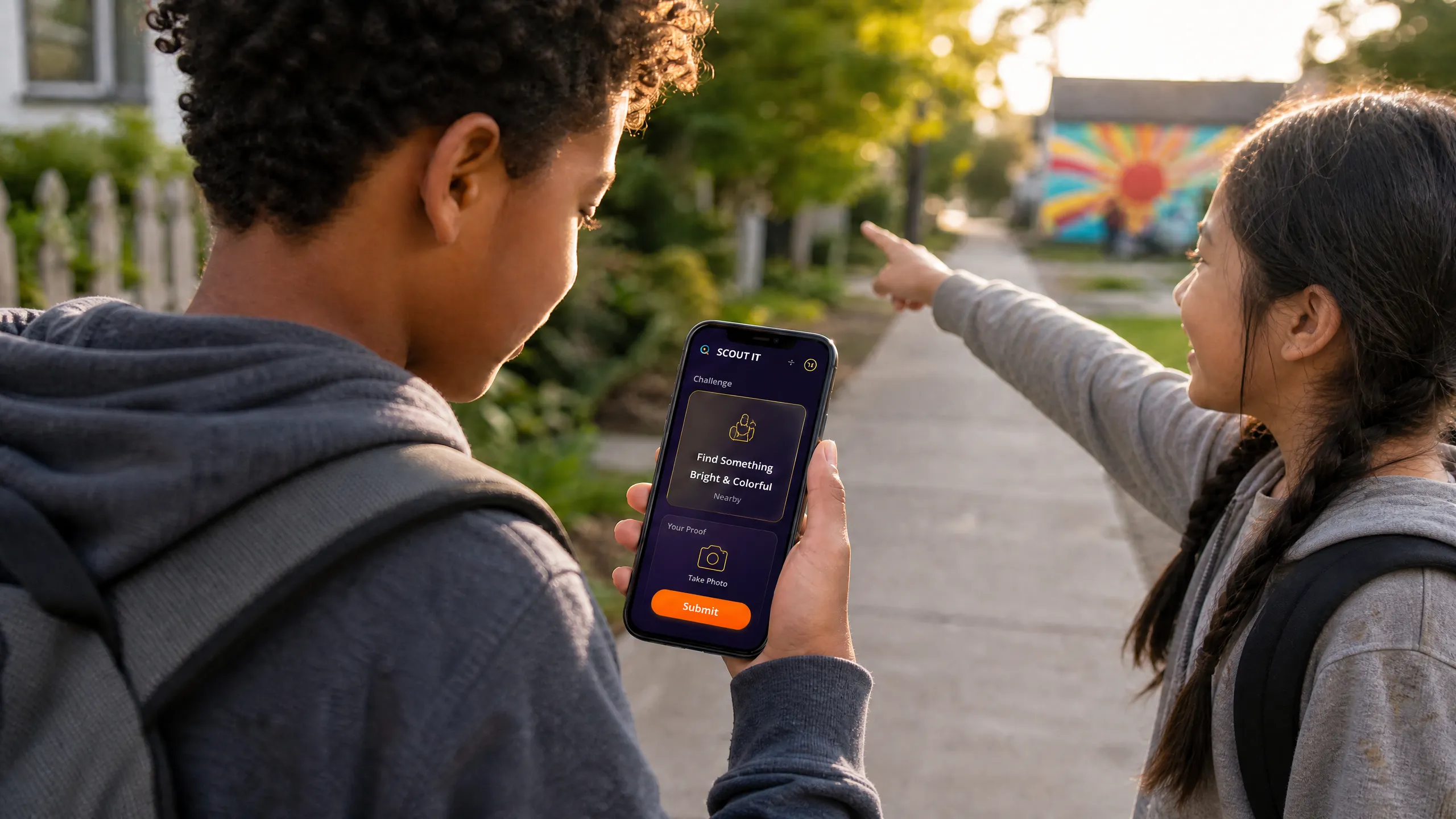
Ten practical tips for coming up with photo assignments for your scavenger hunt, each with an example you can use right away.
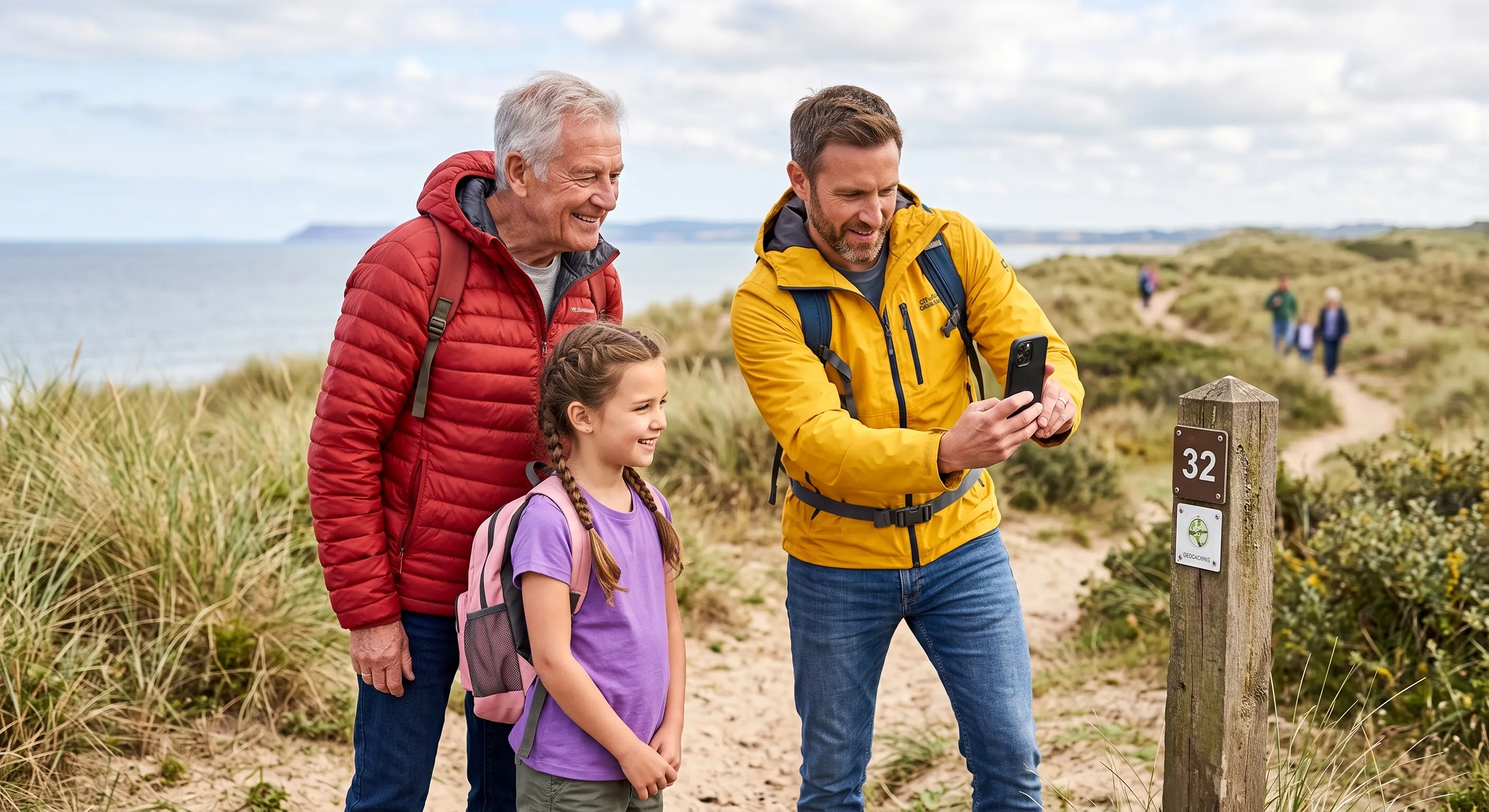
Putting teams together isn't part of the app, you do that yourself. Here's how to split a group of eight to forty family members into teams that work for everyone.