Putting teams together isn't part of the app. You do that yourself, beforehand, with a list of names and ages. It's the part that's easy to overlook, while it decides whether the afternoon works for everyone.
Here's how to approach it: how big a team should be, who you pair up, and why that's exactly what makes a family scavenger hunt different from a kids' game.
Why the split makes or breaks the game
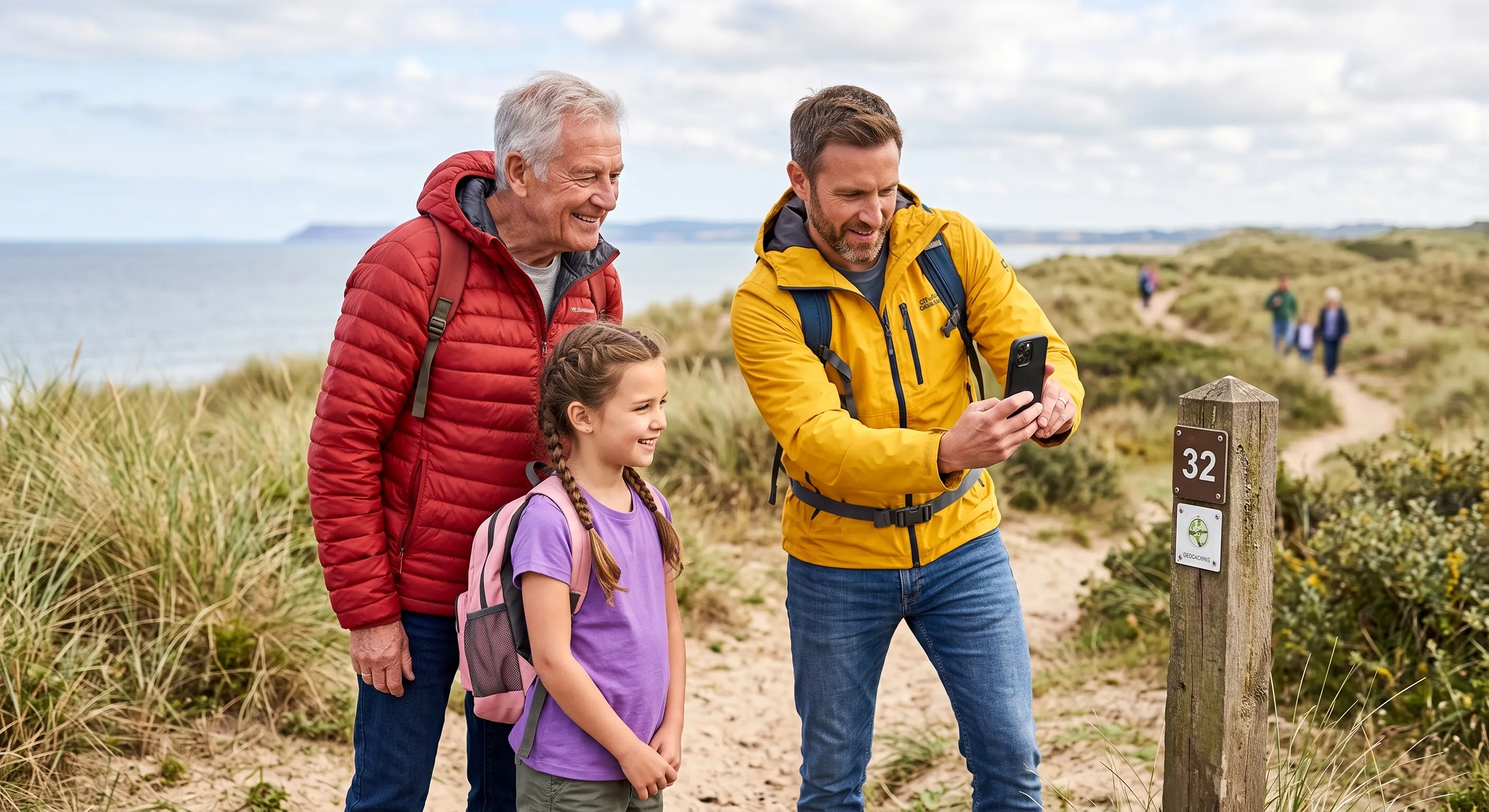
A scavenger hunt with only kids on one team and only adults on another turns into two separate games side by side. Mix the ages instead, and it becomes one hunt where everyone needs each other: put grandma on a team with a grandchild, she points, he handles the camera.
No more than three people per team
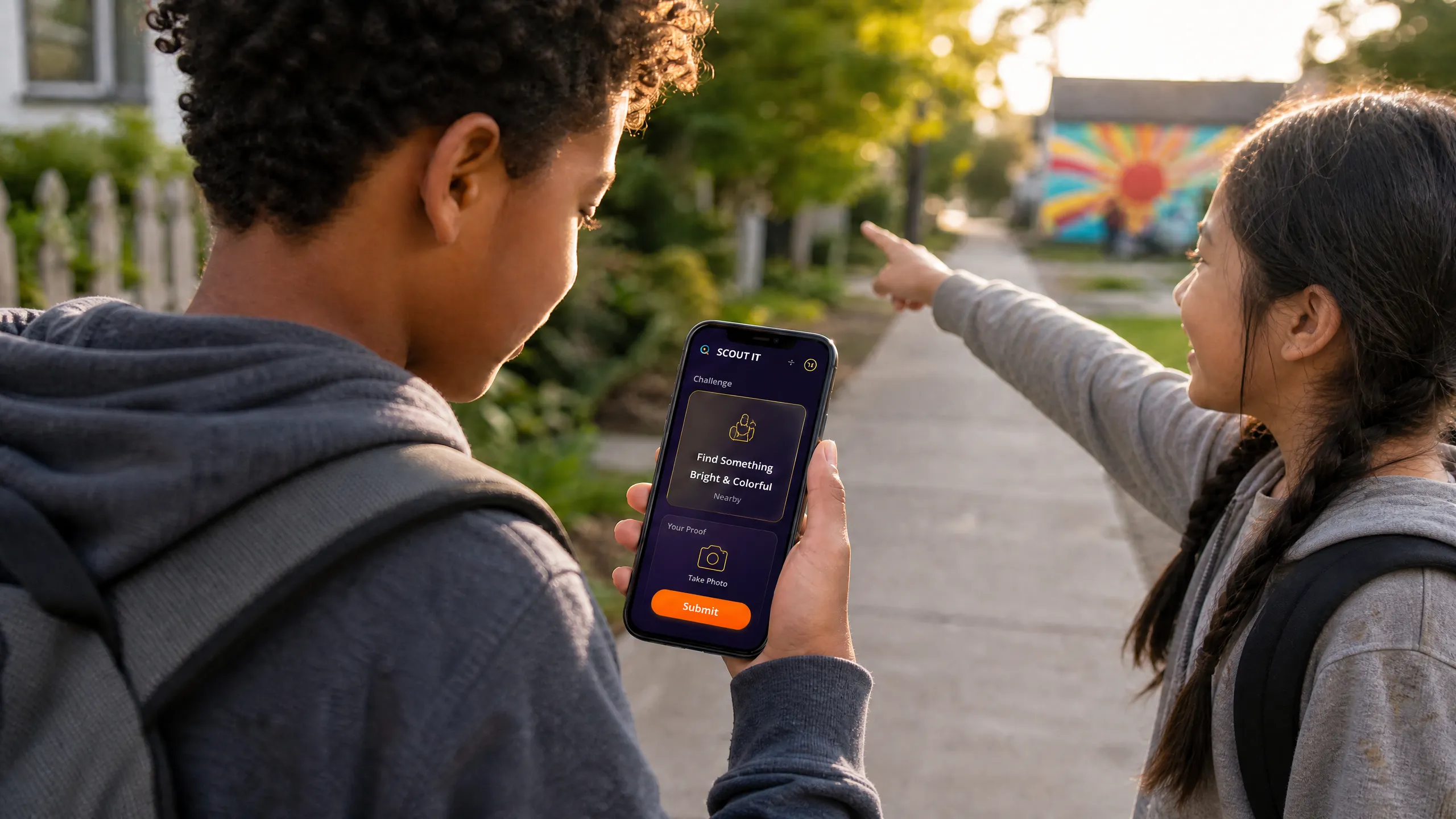
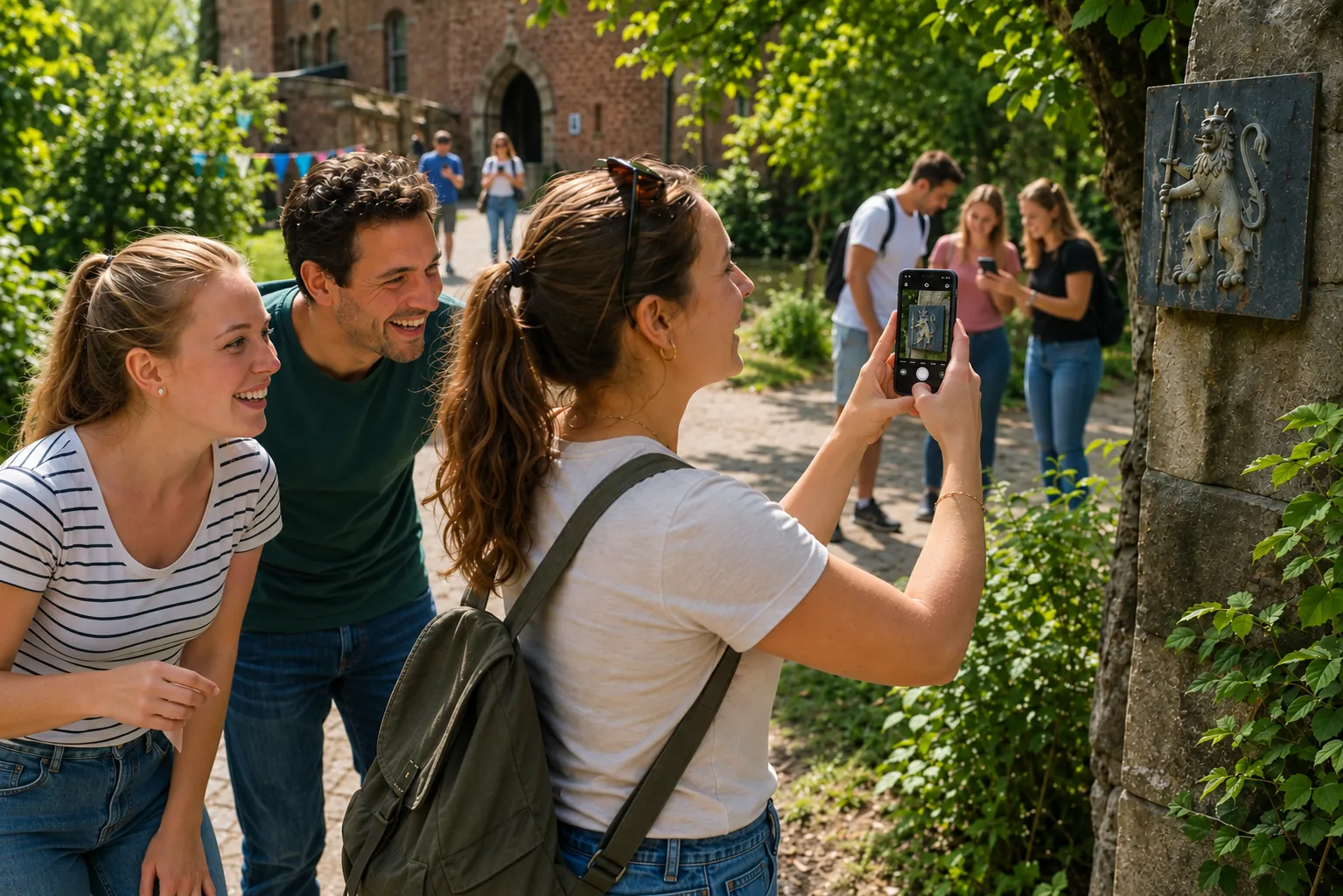
With two or three people, everyone takes part. Add a fourth and someone tends to hang back. Small teams also keep things manageable on the street: less waiting around, more searching.
Mix young and old on purpose
Don't automatically group people the same age. The combination of someone who knows the area and someone who can run fast is exactly what the best assignments play into.
Let ChatGPT help
Not sure how to split the group? Make a list of names and ages and ask ChatGPT to turn it into teams, for example in a spreadsheet. Useful when the group is bigger than a couple of families.